
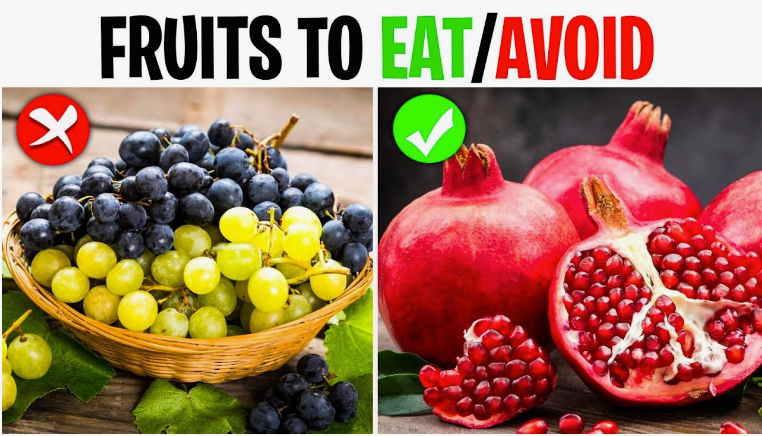
Over 60? 4 Fruits to Limit and 4 to Eat Daily
4 Fruits to Limit and 4 to Eat Daily: If you’re over 60 and keep hearing terms like “glycemic index,” “insulin resistance,” and “postprandial glucose spike,” you’re in the right place. These aren’t scare tactics — they’re practical tools for choosing fruit smarter.
Many people assume fruit is always safe and healthy, no matter how much or which kind. That is not true. After 60, your body processes sugar differently, your teeth and stomach lining become more sensitive, and many seniors take medications that interact with specific foods. These factors change which fruits serve you best.
In 2026, a clearer picture is emerging: the form of fruit (whole vs. juice), portion size, and pairing strategies matter as much as which fruit you pick. This article covers:
- The 4 fruits seniors should limit — and how to still enjoy them safely
- The 4 fruits to eat daily for brain, heart, and joint health
- A simple portion and pairing system to flatten blood sugar spikes
- Which choices are best for prediabetes and diabetes
- A medication warning every senior on prescriptions needs to know
- A 14-day implementation plan you can start immediately
No special diet plan, supplements, or cooking skills required.
What Does “High-Glycemic Fruit” Really Mean for Seniors? (Very Important)
It does NOT mean the fruit is toxic. It does NOT mean you can never eat it again. And it does NOT mean fruit is causing your health problems by itself.
It means:
- It raises blood sugar faster — especially when eaten alone, in large portions, or in juice form
- Fiber changes everything — the same fruit as whole food vs. juice behaves very differently in your body
- Your response is personal — 6while the glycemic index can be helpful for planning meals, it’s not a perfect indicator of exactly how much a food will affect your blood sugar levels
So when nutritionists say “watch high-glycemic fruit,” they mean:
- Treat some fruits like a carb serving, not a “free food” you can eat without limit.
- Pair fruit with protein or fat to slow absorption. 4Studies show that soluble dietary fiber found in fruits decreases the rise in blood glucose and insulin levels, and addition of fiber also modulates glucose response by improving insulin sensitivity.
Real-world example: A senior eats two ripe bananas alone at breakfast and crashes by 10 a.m. The same person eats half a banana with Greek yogurt and stays energized for hours. The fruit didn’t change — the portion and pairing did.
Why Smart Fruit Selection Matters More Than Ever in 2026
Three trends are making this topic urgent for seniors:
- 9 The glycemic index rates foods on a scale from low (55 or less), medium (56–69), and high (70+). Most fresh fruits fall in the low-to-medium range, but processed forms like dried dates, raisins, and pineapple typically have higher GIs due to their concentrated sugars.
- 6 Fruit juice contains all of the sugar of fruit without the fiber to help your body process it — a critical distinction for seniors managing blood sugar.
- 34 Grapefruit juice and grapefruit can affect the way your medicines work, and that food and drug interaction can cause problems. The severity of the interaction can be different depending on the person, the drug, and the amount of grapefruit juice consumed.
Because of this, major organizations including the American Heart Association and the American Diabetes Association provide specific guidance on fruit form, portion size, and medication interactions for older adults.
This is 100% mainstream, evidence-based guidance supported by registered dietitians, cardiologists, and diabetes specialists worldwide.
What Results Can You Realistically Expect?
Here’s an honest breakdown of what smart fruit swaps can do — no hype:
| Timeline | What Most Seniors Notice |
|---|---|
| Week 1–2 | Fewer afternoon energy crashes; reduced sugar cravings |
| Week 3–4 | More stable appetite; easier portion control at meals |
| Months 2–3 | Directional improvement in blood sugar readings (especially when juice is eliminated) |
| Months 4–6 | Sustained energy; dental sensitivity may reduce if acidic juice is reduced |
Reality check: Fruit choices alone will not reverse diabetes, cure arthritis, or eliminate heart disease. What consistent, smart fruit habits can do is reduce unnecessary sugar load, support micronutrient intake, and improve how you feel day-to-day. 4Antioxidants and phytochemicals in fruits have been hypothesized to improve insulin sensitivity and help protect against diabetes. That’s meaningful — but it works alongside medical care, not instead of it.
4 Fruits Seniors Should Limit (And How to Still Enjoy Them)
1. Grapes — The “Grab-and-Go” Portion Trap
You do NOT need to swear off grapes — you need a one-simple-rule serving size.
The real problem with grapes isn’t that they’re poisonous. It’s behavioral: they’re designed for mindless eating. Nobody eats 10 grapes and stops.
- The serving issue: One generous “handful” can easily be 1.5–2 cups — two to three times the appropriate serving
- The fiber gap: Grapes have limited fiber per bite, so sugar moves into the bloodstream quickly, especially in large amounts
- The juice form: Grape juice removes fiber entirely, turning a manageable fruit into a fast-acting sugar drink
10 Fruits with a high GI, such as ripe bananas, are rapidly digested and cause quick spikes in blood sugar, while lower-GI fruits like berries and cherries release sugar more slowly into the bloodstream, resulting in a more gradual rise in blood glucose.
Smarter approach:
- Stick to ½ cup (about 15–20 grapes) as one serving
- Pair with almonds, cheese, or Greek yogurt to slow absorption
- Never eat from the bag — portion into a bowl first
- Skip grape juice entirely; choose whole grapes only
Good for beginners: Yes — a measuring cup solves 90% of the problem.
2. Bananas — Excellent Fruit, Easy to Overdo
You do NOT need to eliminate bananas — you need to understand ripeness and portion.
Bananas are a legitimate, nutritious fruit. But two facts make them tricky for some seniors:
- Ripeness changes the equation: 6A fruit that is very ripe will raise your blood sugar more than the same fruit that is not ripe, since ripeness affects sugar content and fiber breakdown. A spotted, very ripe banana is closer to sugar than a firm, slightly green one.
- They’re easy to eat two of: One medium banana is already a full carb serving. Two medium bananas at once is a significant sugar load, especially eaten without protein or fat.
10 Berries are an excellent choice due to their high fiber and antioxidant content. They are low on the glycemic index and can be eaten in moderation without causing significant blood sugar fluctuations. Bananas aren’t in this category.
Smarter approach:
- Start with ½ a banana if you monitor blood sugar
- Choose less ripe (yellower, firmer) bananas over very ripe ones
- Always pair with peanut butter, nuts, or eggs
- Reserve bananas for before physical activity when a quicker carb can help
Good for beginners: Yes — portioning is the only skill needed.
3. Pineapple — Acidic, Easy to Overeat, and Tricky for Reflux Sufferers
You do NOT need to fear pineapple — but seniors with GERD, mouth sores, or acid sensitivity should be cautious.
- Pineapple sits at a low pH (acidic), which can worsen symptoms for people with acid reflux or GERD
- Its natural enzyme bromelain can cause mouth tingling and digestive discomfort for those with sensitive stomachs
- It’s easy to eat a lot quickly — especially in canned syrup form, which adds significant sugar
Key concerns specific to seniors:
- Canned pineapple in syrup adds unnecessary sugar; canned in juice is better, fresh is best
- Eat pineapple after a meal, not on an empty stomach
- If you’re on blood thinners, note that concentrated bromelain (in supplement form) may have anticoagulant properties — always discuss dietary changes with your pharmacist
Smarter approach:
- Keep portions to ½ cup of fresh pineapple
- Never eat pineapple on an empty stomach
- If reflux flares consistently after pineapple, swap to papaya or melon (lower acid, gentler enzymes)
- Avoid pineapple juice — the fiber is gone and the sugar is concentrated
Good for beginners: Yes — test-and-observe is the strategy here.
4. Citrus Juice (Not the Fruit — The Juice Form)
You do NOT need to avoid whole oranges or grapefruit — but the juice form creates specific problems seniors need to know.
This is the most nuanced entry on the list because whole citrus fruit and citrus juice behave differently:
- Juice removes fiber, which makes blood sugar rise faster
- Sipping juice slowly over an hour exposes teeth to prolonged acid — a dental erosion risk that worsens as enamel thins with age
- Grapefruit specifically has a well-documented drug interaction: 34grapefruit affects certain statin drugs used to lower cholesterol such as atorvastatin (Lipitor) and simvastatin (Zocor), and certain drugs that treat high blood pressure such as nifedipine. This is specifically grapefruit — not all citrus.
30 The grapefruit-statin interaction is only a concern with certain statins: atorvastatin, simvastatin, and lovastatin. Other statins — including rosuvastatin, pravastatin, and pitavastatin — do not have this interaction.
Smarter approach:
- Choose whole oranges over orange juice for the fiber
- Limit juice to 4 oz maximum, drink it with a meal (not as a sipping drink)
- Rinse your mouth with water after citrus; don’t brush immediately after
- If you take statins or blood pressure medications, ask your pharmacist directly about grapefruit
Good for beginners: Yes — the whole fruit → juice swap is the single best change many seniors can make.
“Limit Fruits” Quick Reference Table
| Fruit | Main Issue | Safe Serving | Best Pairing |
|---|---|---|---|
| Grapes | Easy to overeat; low fiber | ½ cup (~15–20 grapes) | Almonds or cheese |
| Banana | Ripeness + portion risk | ½ banana (firm, less ripe) | Peanut butter or yogurt |
| Pineapple | Acid/reflux + portion risk | ½ cup fresh, after a meal | Small amount of cottage cheese |
| Citrus juice | Fiber removed; enamel risk; grapefruit-drug interaction | 4 oz max with food | Always with a meal, never sipped |
4 Fruits Seniors Should Eat Daily
1. Blueberries — The Daily Brain and Blood Sugar Ally
You do NOT need fresh blueberries — frozen works just as well and costs less.
13 Blueberries are a practical, evidence-based way to support brain health after 65, with studies linking their anthocyanins and other nutrients to better memory, improved brain blood flow, and reduced inflammation.
Here’s what makes blueberries uniquely valuable for seniors:
- 11 In one study, healthy people aged 65–77 who drank concentrated blueberry juice every day showed improvements in cognitive function, blood flow to the brain, and activation of the brain while carrying out cognitive tests, with evidence suggesting improvement in working memory.
- 12 Research has found that eating blueberries enhances brain processing speed, which is vital for tasks like driving a car and responding to hazards on the road, according to a 2022 study in Nutritional Neuroscience.
- 12 A 2021 study in Nutrition Research showed an association between blueberry intake and lower blood pressure.
- 19 12 weeks of daily wild blueberry consumption improved flow-mediated dilation by 0.85% and ambulatory systolic blood pressure decreased by approximately 3.59 mmHg.
On the blood sugar front, 10berries are an excellent choice due to their high fiber and antioxidant content, and they are low on the glycemic index, meaning they can be eaten in moderation without causing significant blood sugar fluctuations.
Daily use:
- Aim for ½ to 1 cup — 13about ½ to 1 cup daily of fresh or frozen berries is commonly studied
- Frozen retains approximately 90–95% of antioxidant content — buy in bulk and freeze
- Mix into Greek yogurt, oatmeal, or blend into smoothies
- Wild blueberries (smaller, darker) tend to have higher anthocyanin concentration than cultivated varieties
Cost/time investment: Frozen blueberries cost approximately $3–$5 per bag; zero preparation required.
Good for beginners: Yes — the easiest daily fruit habit on this list.
2. Avocado — The Heart-Healthy “Fruit” That Doesn’t Spike Blood Sugar
You do NOT need to fear the fat — the monounsaturated fat in avocados is precisely what makes it valuable.
Most people still think of avocado as “fattening.” The research says the opposite. 22Compared with nonconsumers, those with higher avocado intake (≥2 servings per week) had a 16% lower risk of cardiovascular disease and a 21% lower risk of coronary heart disease.
More recent research is equally compelling. 23A 2026 study suggests a daily avocado may offer heart health benefits. Eating one avocado and one cup of mango daily may improve blood vessel function in as little as 8 weeks. The avocado combination was linked to better flow-mediated dilation in both men and women, with lower diastolic blood pressure more pronounced in men.
25 A meta-analysis found that avocado intake is associated with a significant reduction in LDL cholesterol and systolic blood pressure, indicating a potential cardioprotective effect.
For blood sugar management specifically: 27consumers of avocados had lower BMI and waist circumference, lower plasma glucose level, and higher HDL cholesterol, with a trend towards lower HbA1c between high and low consumers of avocado.
Daily use:
- Start with ½ avocado in the morning on whole-grain toast or alongside eggs
- Add a quarter avocado to your lunch salad — it boosts absorption of fat-soluble vitamins from vegetables
- Use mashed avocado as a spread instead of butter or mayonnaise
- Stick to ½–1 avocado per day for caloric balance
Cost/time investment: Approximately $1–$2 per avocado; 2 minutes to slice and serve.
Good for beginners: Yes — no cooking required.
3. Cherries — The Natural Joint and Sleep Support
You do NOT need tart cherry supplements — whole cherries and unsweetened concentrate work well.
Cherries are one of the rare fruits that deliver benefits in three distinct areas critical to seniors: inflammation, sleep, and cardiovascular health.
- Joint and inflammation support: Cherries contain anthocyanins and quercetin, compounds studied for their ability to reduce markers of inflammation. Research supports tart cherry juice’s role in reducing uric acid and improving gout symptoms, as well as reducing muscle soreness — important if you exercise or walk regularly.
- Sleep support: 35A study found that tart cherry juice (Prunus cerasus) raised melatonin levels and enhanced sleep quality — relevant because melatonin production naturally declines with age.
- Blood sugar friendly: 10Lower-GI fruits like berries and cherries release sugar more slowly into the bloodstream, resulting in a more gradual rise in blood glucose.
Daily use:
- Fresh or frozen cherries: ½–1 cup daily
- Unsweetened tart cherry concentrate: 1 tablespoon diluted in water (check label for added sugars)
- Best consumed in the evening to support sleep via natural melatonin
- Choose organic when possible; cherries carry moderate pesticide residue
Cost/time investment: Frozen cherries run approximately $3–$5 per bag; tart cherry concentrate is approximately $15–$20 per bottle (lasts weeks).
Good for beginners: Yes — works as a dessert replacement that satisfies sweet cravings.
Important note: If you take statins, speak with your pharmacist about tart cherry juice, as some reports suggest it may affect lipid profiles in combination with cholesterol-lowering drugs.
4. Kiwi — The Underrated Fiber and Vitamin C Powerhouse
You do NOT need citrus juice for vitamin C — two kiwis deliver more than your daily requirement.
Kiwi is one of the most underrated fruits in senior nutrition. It’s low on the glycemic index, high in fiber, and provides vitamin C without the dental erosion risks of sipping acidic juice.
- Vitamin C: Two medium kiwis provide approximately 130–140 mg of vitamin C — well above the daily recommended intake for adults
- Digestive support: Kiwi contains actinidin, an enzyme that supports protein digestion and helps with regularity — a meaningful benefit for seniors who experience digestive slowdown
- Blood pressure friendly: Kiwi contains potassium, which supports healthy blood pressure alongside a balanced diet
- Eye health: Kiwi is a good source of lutein and zeaxanthin, antioxidants that support macular health as vision changes with age
Daily use:
- Eat 1–2 kiwis per day, skin-on if organic (skin contains fiber and extra nutrients)
- Slice over yogurt or cottage cheese for a vitamin C boost
- Pair with berries in a simple fruit bowl
- Excellent replacement for orange juice at breakfast — same vitamin C, more fiber, less acid
Cost/time investment: Approximately $0.50–$1.00 per kiwi; under 1 minute to prepare.
Good for beginners: Yes — simple, affordable, no preparation needed.
“Daily 4” Quick Reference Table
| Fruit | Key Benefit for Seniors | Daily Amount | Best Pairing |
|---|---|---|---|
| Blueberries | Brain function, blood sugar stability | ½–1 cup (fresh or frozen) | Greek yogurt or oatmeal |
| Avocado | Heart health, blood sugar, satiety | ½–1 avocado | Eggs, whole-grain toast |
| Cherries | Joint comfort, sleep, inflammation | ½–1 cup (or tart juice) | Yogurt or as dessert swap |
| Kiwi | Vitamin C, digestion, eye health | 1–2 kiwis | Berries, cottage cheese |
How Seniors Actually Build These Habits (Step-by-Step)
Step 1: Audit Your Current Fruit Habits
For three days, write down every fruit you eat — including form (whole, juice, dried, canned) and amount. Circle every instance of juice or dried fruit. These two forms cause the fastest blood sugar rises and are the highest-priority swaps.
Avoid: Underestimating portions. Use a measuring cup for one week to calibrate your “handful.”
Tools needed: A notes app or paper, measuring cup.
Step 2: Make the Juice-to-Whole-Fruit Swap
6 Try to avoid fruit juice. Fruit juice contains all of the sugar of fruit without the fiber to slow absorption. If you currently drink orange juice, grape juice, or apple juice daily, this is your single highest-impact change. Replace with whole fruit. You’ll get the same vitamins with more fiber and a slower blood sugar response.
Avoid: “No sugar added” juice marketing. All juice — even unsweetened — removes fiber.
Tools needed: Whole oranges, kiwis, or a berry bowl at breakfast.
Step 3: Implement the “Portion + Pair” Rule for Limit Fruits
You don’t have to eliminate grapes or bananas. Use two rules instead:
- Portion rule: ½ cup grapes, ½ banana, ½ cup pineapple — never more at one sitting
- Pair rule: Always eat limit fruits with protein (Greek yogurt, cheese, nuts, eggs)
Avoid: Eating limit fruits alone as a quick snack, especially in the afternoon when blood sugar tends to dip.
Tools needed: Measuring cup; pantry stocked with nuts or Greek yogurt.
Step 4: Add the “Daily 4” to Your Routine Systematically
Don’t try to add all four at once. Start with one:
- Day 1–7: Add ½ cup of blueberries daily (frozen, in yogurt or oatmeal)
- Day 8–14: Add ½ avocado daily (on toast or eggs)
- Day 15–21: Add kiwi to breakfast as your vitamin C source instead of juice
- Day 22–30: Add cherries as an evening snack or dessert replacement
Avoid: Overhauling everything at once. One new habit per week sticks better than seven.
Tools needed: One shopping trip to stock frozen blueberries, avocados, kiwis, and cherries.
Step 5: Check In With Your Doctor at 30 Days
Bring a simple log of what you changed — especially if you stopped grapefruit juice while on statins or blood pressure medications, or if you notice blood sugar changes. 31If you drink grapefruit juice, always have your pharmacist check for drug interactions with your medications. Tell your healthcare providers about all medicines you take, including prescription, over-the-counter, herbal, and dietary supplements. Don’t stop any medicines until you talk to your healthcare provider.
Avoid: Making medication adjustments on your own based on diet changes.
Tools needed: Your change log, your medication list, your next scheduled appointment.
Recommended Programs and Resources
| Resource | What It Provides | Cost | Best For |
|---|---|---|---|
| Registered Dietitian (RD/RDN) | Personalized nutrition plan, medication-diet interaction guidance | Often insurance-covered; ~$75–$200/session otherwise | Seniors with diabetes, kidney disease, or complex meds |
| American Diabetes Association (diabetes.org) | Free meal planning tools, glycemic index guides, recipe ideas | Free | Seniors managing blood sugar independently |
| USDA MyPlate for Older Adults | Government-backed fruit/vegetable portion guidance for 60+ | Free | Beginners who want simple, visual guidelines |
| Senior center nutrition classes | Hands-on cooking demos, label reading, community accountability | Free–low cost | Community-based learners |
Can Seniors With Diabetes or Limited Budgets Still Follow This?
Yes. Absolutely.
Three reasons:
- The best daily fruits are budget-friendly. Frozen blueberries, kiwi, and frozen cherries cost $3–$5 per bag and last weeks. Avocados average $1–$2 each.
- Diabetes doesn’t mean no fruit. 4Studies show that soluble dietary fiber found in fruits decreases the rise in blood glucose and insulin levels, and fiber also improves insulin sensitivity. Whole fruit with fiber is very different from juice or dried fruit.
- Frozen is as good as fresh. Frozen blueberries and cherries retain the vast majority of their polyphenol content — sometimes more than fresh fruit that has been sitting on a shelf.
Can you also improve joint comfort with these changes? Yes. Blueberries, cherries, and avocados all contain compounds studied for anti-inflammatory properties. Replacing high-sugar snacks with these fruits also reduces overall inflammatory load.
Realistic success example: A 69-year-old retired teacher with prediabetes switched from daily orange juice and grape snacks to kiwi, Greek yogurt with blueberries, and avocado toast. After six weeks, her fasting glucose reading dropped and her afternoon energy improved noticeably — consistent with what studies show for similar dietary swaps.
Top 2 barriers addressed:
- Time: Every fruit on the “Daily 4” list requires zero cooking. Frozen berries + yogurt is a 90-second breakfast.
- Budget: Shop the frozen aisle. Frozen blueberries and cherries are nutritionally equivalent to fresh at a fraction of the cost.
Important Warnings (Read This Carefully)
Watch out for these red flags in viral senior nutrition content:
- ❌ “Never eat [fruit] again” blanket bans — science doesn’t support eliminating any whole fruit category; portion and form are what matter
- ❌ Claims that a single fruit “causes inflammation 300% in a week” — dramatic statistics like this rarely have real citations
- ❌ Confusing grapefruit interactions with all citrus — 30the grapefruit-statin interaction is only a concern with certain statins; other statins do not have this interaction
- ❌ Ignoring juice vs. whole fruit distinctions — these are not interchangeable
- ❌ Recommending fruit-based “cures” that replace prescribed medications — diet supports health; it does not replace medical treatment
If someone promises a single fruit swap will “reverse your diabetes in 30 days,” it is a scam.
Safety notes: If you take blood thinners, blood pressure medications, statins, or any immunosuppressants, verify specific food interactions with your pharmacist before adding large amounts of any new food to your daily routine. 33If you enjoy consuming grapefruit regularly, talk to your prescriber and pharmacist. They can check if you take anything that grapefruit interacts with. In some cases, they may ask you to avoid grapefruit altogether.
How to verify legitimate nutrition guidance:
- Look for recommendations supported by AHA, ADA, Mayo Clinic, or Harvard Health
- Check that advice emphasizes whole fruit, portions, and pairing rather than fear-based bans
- Use your own data — glucose readings, energy levels, and symptom logs — to validate what actually works for your body
The Science of Why Whole Fruit Works Differently for Seniors
After 60, several biological changes make fruit form and pairing more important than when you were younger:
- Insulin sensitivity naturally declines — making it easier for blood sugar to spike and harder to recover quickly
- Stomach acid production decreases — making acidic foods more disruptive for some people
- Dental enamel thins — increasing sensitivity to acidic and sugary foods
- Liver enzyme function changes — making food-drug interactions more significant
Key principles that apply across all senior fruit choices:
- 4 Fruits have highly variable contents of fiber, antioxidants, and other nutrients and phytochemicals that may jointly influence the risk of metabolic diseases — this is why fruit selection, not just “eating fruit,” matters
- 16 Blueberries are anthocyanin-rich fruits with well-established health benefits on the endocrine and cardiovascular systems attributed to their potent anti-inflammatory properties
- 20 Avocados are rich in monounsaturated fatty acids, fiber, and plant sterols, which have cholesterol-lowering effects
- Pairing fruit with protein or healthy fat consistently produces steadier glucose responses than eating fruit alone
5 Common Mistakes Seniors Make With Fruit
- Drinking fruit juice daily instead of eating whole fruit. Why it’s a problem: juice removes fiber, causing faster glucose spikes and prolonged acid exposure for teeth. What to do instead: eat whole fruit and drink water.
- Eating “limit fruits” alone as a snack. Why it’s a problem: without protein or fat, sugar absorption is faster, leading to cravings and energy crashes. What to do instead: always pair with nuts, Greek yogurt, or eggs.
- Assuming “natural sugar” doesn’t count. Why it’s a problem: your body processes natural fruit sugar the same way — portions still matter. What to do instead: use the ½-cup rule for dense fruits and measure for one week.
- Ignoring grapefruit-medication interactions. Why it’s a problem: 28grapefruit can increase the concentration of certain drugs circulating in your bloodstream, since they’re not being metabolized as intended. A daily glass of grapefruit juice increased blood levels of some statins by up to 260%. What to do instead: ask your pharmacist directly if grapefruit is safe with your specific medications.
- Eating very ripe bananas daily without pairing. Why it’s a problem: very ripe bananas have a higher glycemic impact than firm ones. What to do instead: choose less ripe bananas and pair with protein every time.
Final Advice: Your Body Can Adapt at Any Age
Senior nutrition is not looking for perfection. It’s looking for:
- Repeatable daily habits — small consistent changes, not dramatic overhauls
- Evidence over hype — choosing guidance from registered dietitians and major health organizations, not viral videos
- Personal feedback — tracking your energy, digestion, and any glucose readings to learn what actually works for your body
Many successful seniors started with:
- Simply switching from orange juice to a whole orange at breakfast
- Adding one cup of frozen blueberries to their daily yogurt
Both changes took under two minutes and cost less than they were already spending.
Your 3-step action plan:
- Today: Replace your next glass of fruit juice with whole fruit
- This week: Add blueberries daily and use the portion rule for limit fruits
- By 90 days: All four “Daily 4” fruits are regular habits; limit fruits are occasional, portioned, and paired
Done consistently, these changes can improve your energy, blood sugar stability, and long-term independence permanently.
Conclusion
In 2026, the senior fruit conversation has evolved well beyond “eat more fruit.” For adults over 60, smart fruit selection — including paying attention to form, portion, pairing, and medication interactions — is real, achievable, and accessible, even for those with prediabetes, tight budgets, or sensitive digestion.
The core takeaways:
- Limit grapes, bananas, pineapple, and citrus juice — not because they’re dangerous, but because form and portion control is essential after 60
- Eat daily blueberries, avocado, cherries, and kiwi — each backed by solid research for brain, heart, and joint health
- Ask your pharmacist about grapefruit if you take statins or blood pressure medications
If you take time to apply the portion, pairing, and “Daily 4” strategies and avoid the juice-as-healthy-fruit shortcut, your daily fruit habits can change your energy, metabolic stability, and long-term independence permanently.
Start today: Swap one glass of fruit juice for a whole piece of fruit. It takes 10 seconds and costs nothing extra.
Frequently Asked Questions
Q: Is it really okay for seniors with prediabetes to eat fruit? Short answer: Yes — whole fruit is different from juice. 4Soluble dietary fiber found in fruits decreases the rise in blood glucose and insulin levels. Focus on portion size, choose whole over juice, and pair with protein.
Q: Which fruit is best for blood sugar control after 60? Short answer: Blueberries and cherries. 10Lower-GI fruits like berries and cherries release sugar more slowly into the bloodstream, resulting in a more gradual rise in blood glucose.
Q: Do frozen blueberries have the same benefits as fresh? Short answer: Essentially yes. Freezing preserves the vast majority of polyphenol content. 13About ½ to 1 cup daily of fresh or frozen berries is commonly studied with similar outcomes reported across both forms.
Q: Should I completely stop eating grapefruit if I take statins? Short answer: Talk to your pharmacist first. 30The grapefruit-statin interaction is only a concern with certain statins — atorvastatin, simvastatin, and lovastatin. Other statins including rosuvastatin, pravastatin, and pitavastatin do not have this interaction.
Q: How much avocado should a senior eat daily? Short answer: ½ to 1 avocado per day. Research studies have used amounts ranging from 25g to a full avocado daily. 25Meta-analysis findings suggest avocado intake is associated with a significant reduction in LDL and systolic blood pressure.
Q: Is banana a “bad” fruit for seniors? Short answer: No — it’s about portion and ripeness. 6A fruit that is very ripe will raise your blood sugar more than the same fruit that is not ripe. Choose firmer bananas, eat half, and pair with protein.
Q: Can fruit help with joint pain and sleep? Short answer: Cherries specifically show research support for both. 35Tart cherry juice has been found to raise melatonin levels and enhance sleep quality, and its anthocyanins are studied for anti-inflammatory properties relevant to joint comfort.
Q: Is kiwi good for seniors? Short answer: Yes — it’s one of the best vitamin C sources without the acidic juice problem, and its fiber supports digestion, which commonly slows after 60.
Resources
Free Resources:
- USDA MyPlate for Older Adults — portion guidance and fruit servings for 60+ (myplate.gov)
- American Diabetes Association (diabetes.org) — free meal planning and glycemic index information
- FDA Grapefruit Drug Interaction Guide — full list of medications that interact with grapefruit (fda.gov)
Recommended Books:
- The MIND Diet by Maggie Moon, MS, RD — brain-supportive eating with berry and produce focus
- The Prediabetes Diet Plan by Hillary Wright, MEd, RD — practical portion and food-pairing guidance
Communities:
- American Diabetes Association local chapters — support groups and nutrition education programs
- Local senior center nutrition classes — free or low-cost cooking demos and peer accountability
Legal Disclaimer
This article is for informational purposes only and does not constitute medical, nutritional, or pharmaceutical advice. Always consult your physician, registered dietitian, and pharmacist before making dietary changes, especially if you have diabetes, kidney disease, acid reflux, cardiovascular disease, or take prescription medications including blood thinners, statins, or blood pressure drugs. Individual responses to fruit vary. This article does not guarantee specific health outcomes and does not advise stopping or adjusting prescribed medications.